
Aħrax and Miżieb
Aħrax and Miżieb
Afforested during the 1970s, Aħrax and Miżieb are largely characterised by Aleppo pine plantation (Pinus halepensis) together with native Mediterranean tree and shrub species. Besides their ecological value, both sites provide important recreational opportunities for walkers, nature enthusiasts and visitors seeking to experience Malta’s rural landscapes.
In recent years, however, both Aħrax and Miżieb have experienced significant environmental pressures, including severe wildfires, habitat degradation and the spread of invasive alien plant species. These impacts have reduced native tree cover, affected ecosystem health and increased the vulnerability of the woodlands to future environmental challenges.
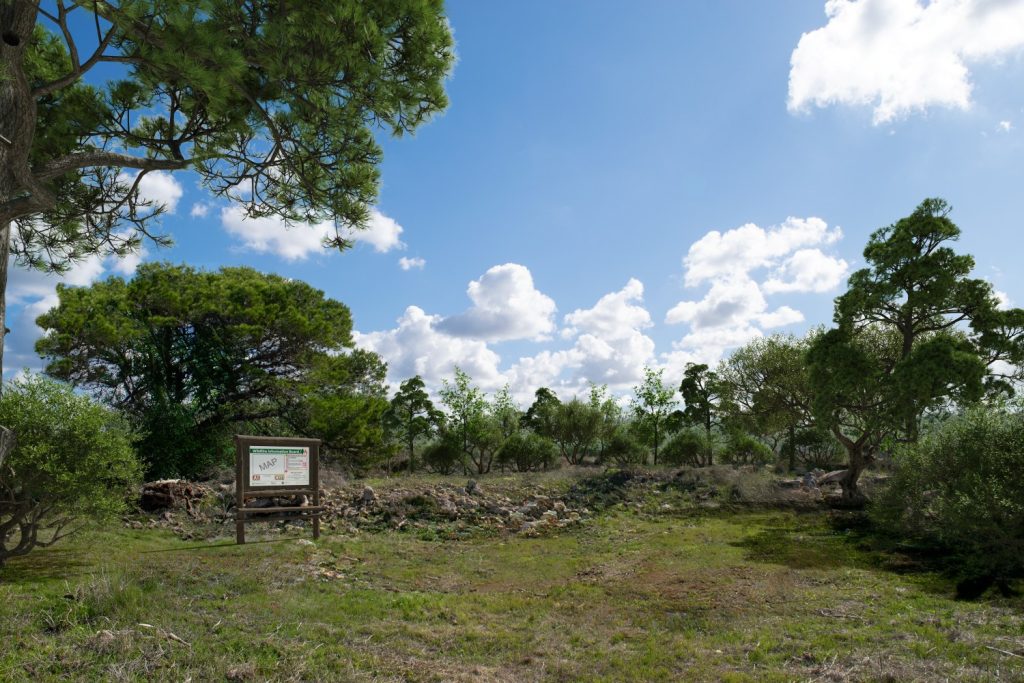
Afforested area rehabilitation through Project Silva Green Pathways
To restore these valuable afforested areas, Ambjent Malta is implementing a range of habitat restoration measures through Project Silva Green Pathways. The project focuses on improving woodland resilience, restoring ecological connectivity and enhancing biodiversity while creating healthier and more sustainable forest ecosystems.
Restoration measures include the removal and control of invasive alien plant species, habitat rehabilitation through the planting of native tree and shrub species, wildfire prevention measures, and the restoration of traditional vernacular infrastructure. Collectively, these actions aim to create wooded landscapes that are more resilient to climate change, support a wider range of native wildlife and provide enhanced green spaces for public enjoyment.
The project will introduce nearly 1,900 native trees and shrubs, including holm oak (Quercus ilex), kermes oak (Quercus coccifera), mastic (Pistacia lentiscus), mock privet (Phillyrea latifolia), buckthorn (Rhamnus alaternus) and carob (Ceratonia siliqua), helping diversify the woodland structure while improving habitat quality and reducing wildfire risk.
Supporting the Nature Restoration Regulation
Ambjent Malta is also progressing the implementation of the Nature Restoration Regulation (Regulation (EU) 2024/1991), the first European Union legislation establishing legally binding targets for the restoration of degraded ecosystems. The Regulation requires Member States to restore ecosystems across terrestrial, freshwater and marine environments while strengthening biodiversity, climate resilience and ecosystem services.
As part of this work, Ambjent Malta will undertake a comprehensive woodland census that will establish baseline information on the condition of Malta’s forest ecosystems. While Buskett will receive a detailed assessment of individual trees, woodland structure and ecosystem services, baseline forest ecosystem indicators will also be compiled for l-Aħrax tal-Mellieħa, il-Miżieb, il-Ballut tal-Wardija and Foresta 2000. This information will support the implementation of Article 12 of the Nature Restoration Regulation, which focuses on enhancing the biodiversity and condition of forest ecosystems through long-term monitoring and restoration.
The data collected will provide an important scientific baseline for monitoring ecosystem health over time and will support both Malta’s national biodiversity objectives and its obligations under the Nature Restoration Regulation.
Looking Ahead
Through habitat restoration, scientific monitoring and long-term woodland management, Ambjent Malta is working to ensure that Aħrax and Miżieb continue to thrive as resilient woodland ecosystems. These initiatives will strengthen biodiversity, improve ecosystem services and preserve two of Malta’s most valuable natural landscapes for future generations.