Habitat Conservation
Conserving Malta’s Natural Heritage
Healthy ecosystems are fundamental to sustaining biodiversity, supporting ecosystem services and improving resilience to environmental change. Through habitat conservation and ecological rehabilitation, Ambjent Malta works to restore degraded environments, enhance native biodiversity and safeguard Malta’s natural heritage for present and future generations.
Conservation initiatives are implemented across a diverse range of habitats, including Natura 2000 sites, woodlands, valleys, wetlands, coastal ecosystems and other environmentally sensitive areas. As each site presents distinct ecological characteristics and challenges, restoration measures are carefully designed to reflect local environmental conditions and conservation priorities.
A Science-Based Approach to Ecological Rehabilitation
Ambjent Malta applies the principles of restoration ecology through a scientific and evidence-based approach. All ecological rehabilitation interventions are developed using the scientific method, ensuring that management decisions are informed by the collection, analysis and interpretation of both quantitative and qualitative ecological data.
Prior to implementing restoration measures, ecological assessments are undertaken to establish baseline conditions, identify environmental pressures and determine the most appropriate conservation actions. Depending on the site, these assessments may include habitat mapping, vegetation surveys, species inventories, ecosystem condition assessments and the evaluation of ecological indicators. This process ensures that restoration objectives are measurable, transparent and tailored to the ecological requirements of each habitat.
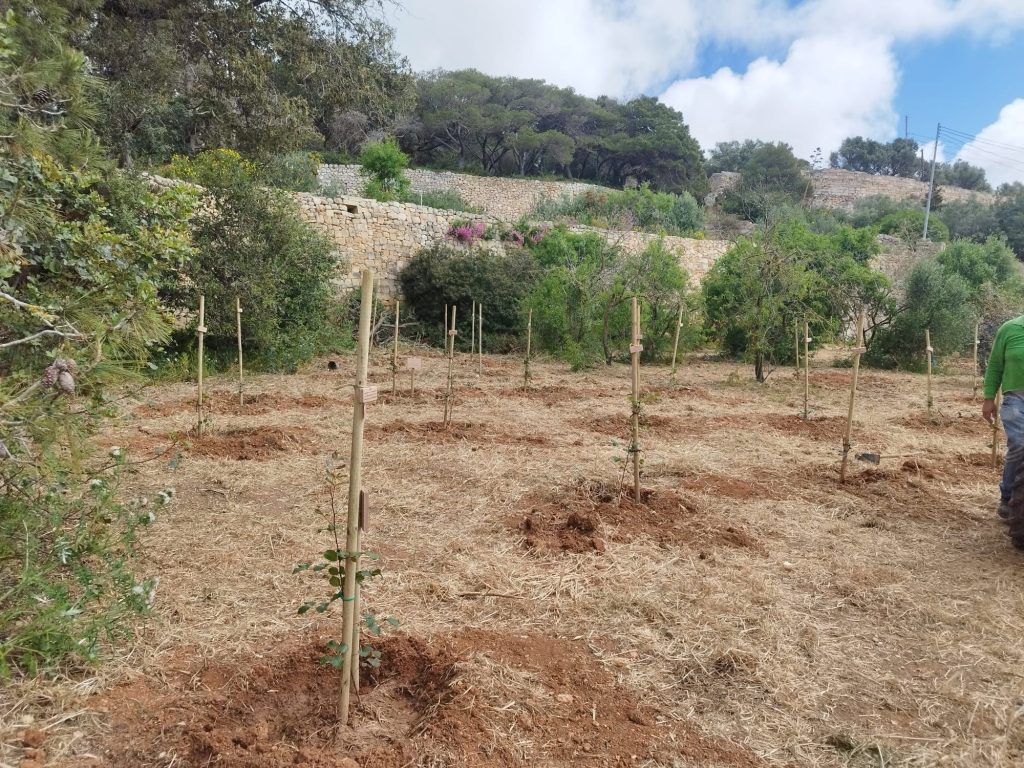
Where intervention is required, priority is given to conserving native species, controlling or removing invasive alien species, restoring habitat quality and strengthening ecological connectivity. Whenever possible, restoration seeks to encourage natural regeneration, allowing ecosystems to recover through their own ecological processes. Where active restoration is necessary, native species are selected according to the natural composition of the habitat, promoting long-term ecosystem stability and biodiversity.
Adaptive Management Through Monitoring
Ecological rehabilitation is an ongoing process that extends beyond the implementation of restoration measures. Ambjent Malta undertakes long-term ecological monitoring to assess habitat condition, biodiversity and ecosystem responses over time. The information collected allows conservation actions to be evaluated and refined where necessary, ensuring that management remains responsive to changing environmental conditions, emerging threats and new scientific knowledge.
This adaptive management approach enables restoration programmes to evolve as ecosystems recover, supporting informed decision-making while strengthening the effectiveness of long-term conservation efforts.
Building Resilient Ecosystems
Habitat conservation is an investment in Malta’s natural capital. By integrating scientific research, ecological restoration and long-term monitoring, Ambjent Malta is helping to restore ecosystem health, strengthen biodiversity and improve the resilience of natural habitats. These efforts not only protect Malta’s unique wildlife and landscapes but also enhance the environmental, social and economic benefits that healthy ecosystems provide to communities across the Maltese Islands.