
Selmunett
Selmunett
Selmunett, commonly known as St Paul’s Island, is a small uninhabited islet situated off the north-eastern coast of Malta, near Mellieħa at the entrance to St Paul’s Bay. Although covering only approximately 0.1 km², the island forms part of Malta’s Natura 2000 network and is recognised for its ecological importance.
The island’s rugged limestone terrain supports typical Mediterranean coastal habitats that provide refuge for native plant communities, reptiles, invertebrates and seabirds. Its relative isolation has allowed important natural habitats to persist, making Selmunett one of Malta’s valuable coastal conservation areas.
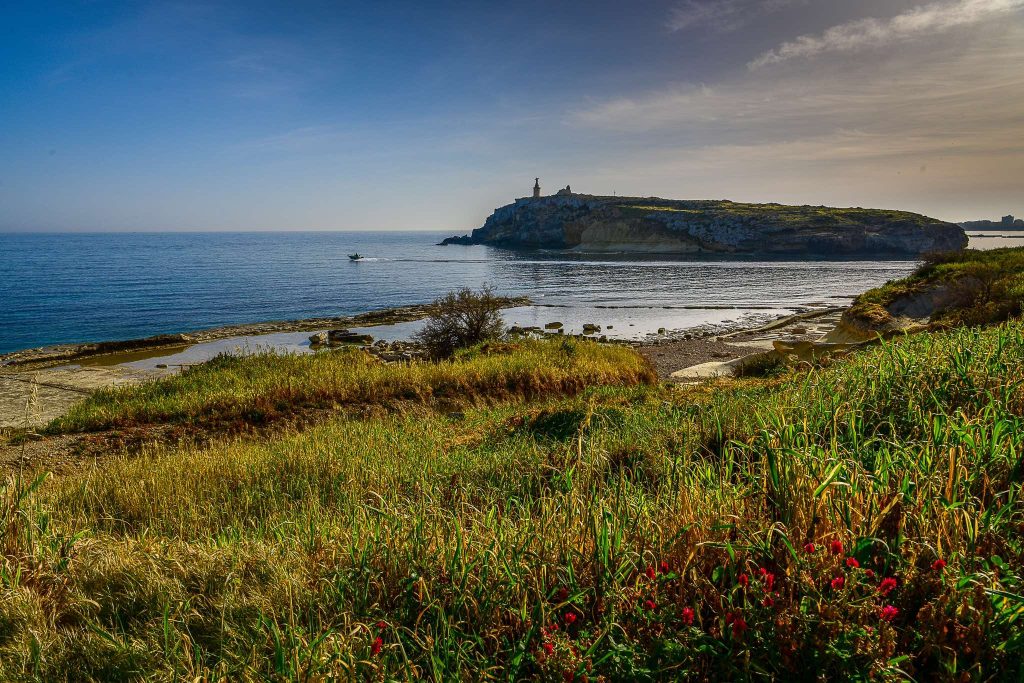
As a protected Natura 2000 site, Selmunett contributes to the conservation of habitats and species of European importance. Protecting the ecological integrity of the island helps maintain biodiversity while preserving an important part of Malta’s natural heritage.
Conservation Through Habitat Rehabilitation
Maintaining healthy island ecosystems requires ongoing conservation and habitat management. Like many Mediterranean islands, Selmunett is affected by invasive alien species, which can outcompete native vegetation and alter natural habitats.
To improve habitat quality, Ambjent Malta is undertaking the removal of invasive alien plant species from the island. The intervention targets approximately 550 m² of invasive vegetation, consisting primarily of Agave spp. and Opuntia spp. Removing these species will create favourable conditions for native vegetation to regenerate and strengthen the ecological resilience of the site.
Protecting Seabird Colonies
Selmunett also supports important seabird habitats that require careful protection from invasive predators. Through Project E-CORE (Environmental Connectivity for Optimized Resiliency and Ecosystem Management in Natura 2000 Sites), Ambjent Malta is implementing specialised rodent control interventions within selected coastal Natura 2000 sites, including Selmunett.
The project uses environmentally responsible monitoring and control measures to reduce the impact of invasive rodents on breeding seabirds while strengthening biosecurity across the site. These actions contribute to safeguarding vulnerable bird populations and maintaining the ecological balance of Malta’s protected coastal environments.
Looking Ahead
Through habitat restoration, invasive species management and continued ecological monitoring, Ambjent Malta is helping to conserve Selmunett’s unique natural environment for future generations. These conservation efforts contribute to healthier ecosystems, greater biodiversity and the long-term protection of one of Malta’s most valuable Natura 2000 sites.