Seagrass Conservation
Seagrass Conservation
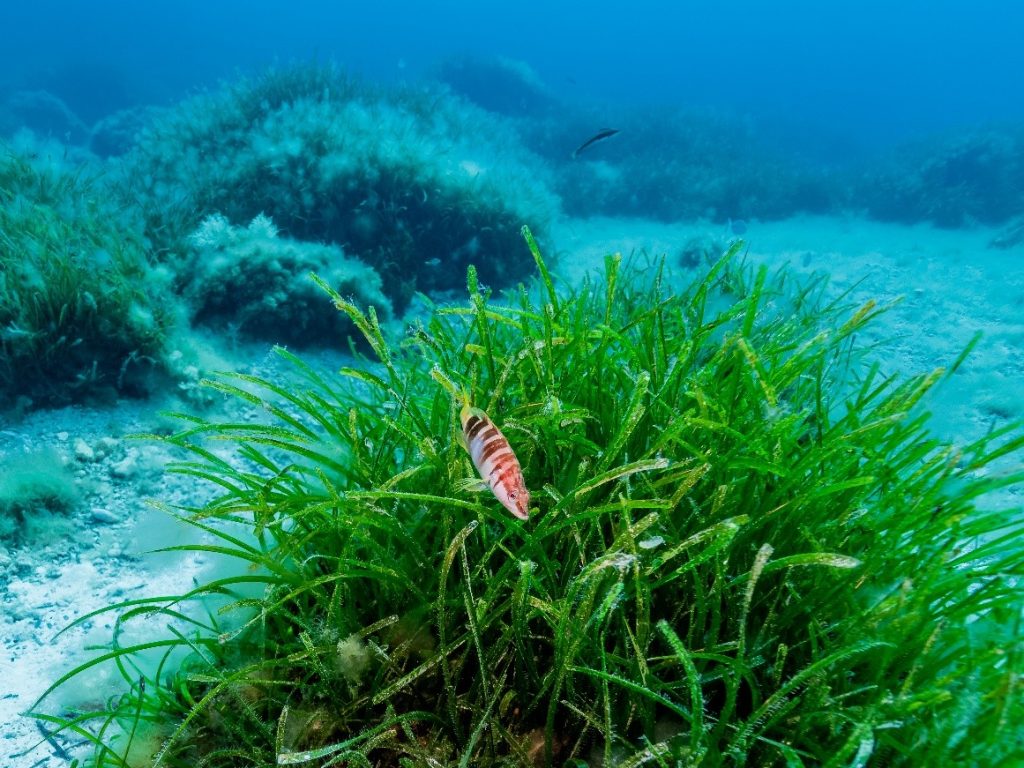
Posidonia oceanica is an endemic Mediterranean seagrass that forms extensive underwater meadows, creating one of the region’s most important marine habitats. These meadows provide shelter, breeding grounds and food for numerous marine species, while also stabilising seabeds and reducing coastal erosion. Posidonia plays a significant role in climate regulation through its exceptional capacity to capture and store carbon, making it an important blue carbon ecosystem. Healthy Posidonia meadows are also considered indicators of good marine environmental quality and contribute to clearer waters and healthier coastal ecosystems throughout the Mediterranean.
The pilot project that is currently being implemented focuses on the ex-situ conservation of Posidonia oceanica. Due to increasing environmental pressures and habitat degradation, the project aims to develop controlled cultivation methods that support habitat expansion and long-term ecological recovery.
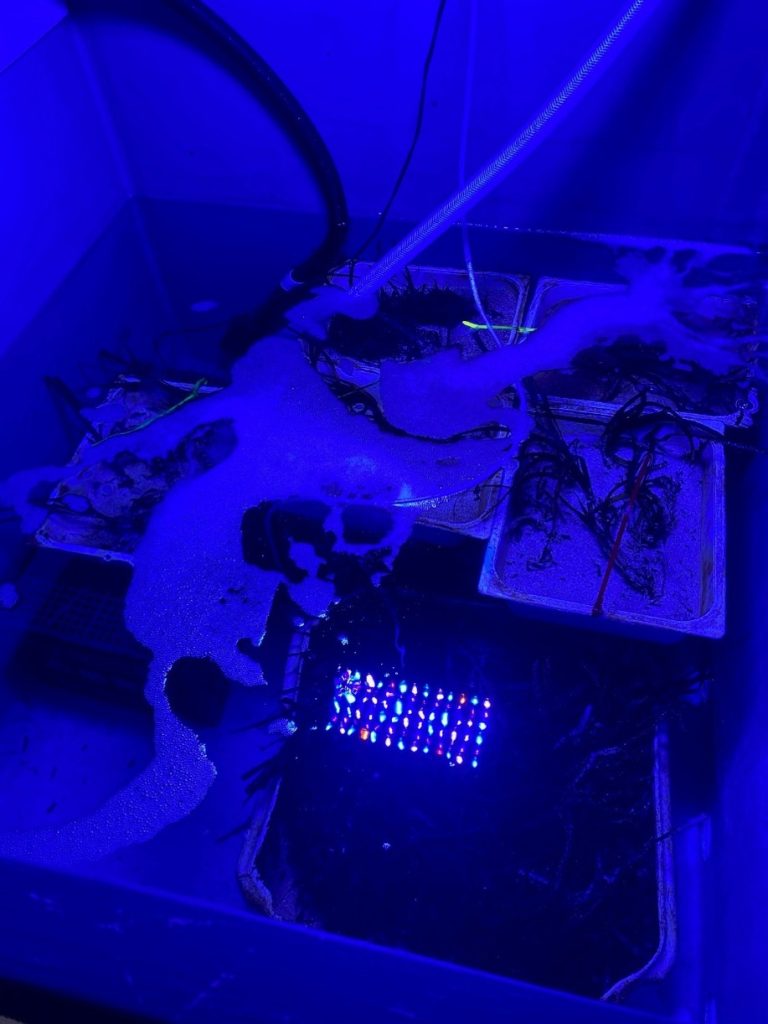
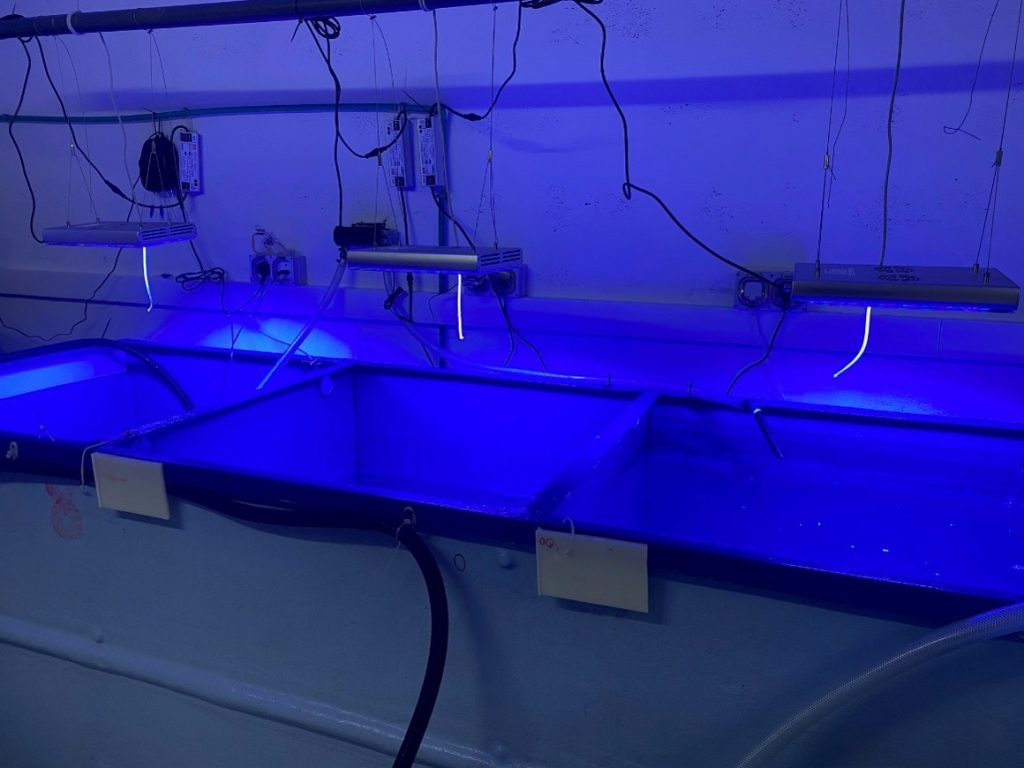
Currently in progress, the initiative is being carried out by Ambjent Malta in collaboration with the Malta National Aquarium. The project involves the acclimatization of detached vegetative shoots and seeds collected from natural sources within specialised aquarium systems designed to replicate optimal marine conditions. Scientific research has demonstrated that Posidonia oceanica can successfully survive and develop under controlled environments when water quality, salinity, temperature, and lighting are carefully regulated.
The pilot phase focuses on the acclimatization of approximately 1,000 plants in 6 tanks (1m x 1m x 1m) including both vegetative fragments and seedlings, across dedicated restoration plots. Continuous monitoring and maintenance are being undertaken to maximise plant survival and minimise disease and algal growth. Once sufficiently established and acclimatised, the plants will eventually be transplanted back into the marine environment to support habitat restoration and strengthen the resilience of Malta’s coastal ecosystems. Through this approach, the project contributes to the conservation of one of the Mediterranean’s most valuable and endangered marine habitats.