MAARES
MAARES
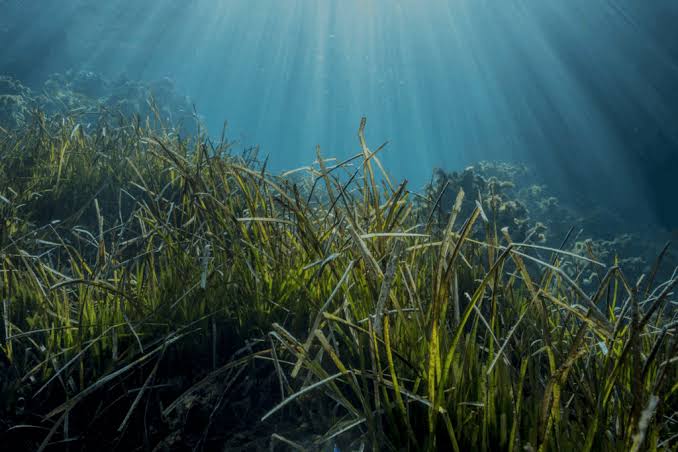
Posidonia oceanica is a marine vascular plant endemic to the Mediterranean Sea. It is a cardinal part of the Mediterranean sea’s ecosystem by providing oxygen to coastal waters and contributing to benthic habitat complexity. Indeed, P. oceanica plays an important role as a primary producer, as well as providing a habitat and breeding ground for many marine animals including crustaceans, sea urchins, clams and endangered species such as turtles as well as marine mammals. Consequently, Posidonia meadows are listed as a priority habitat at European Union (EU) level (Habitat Directive 92/43/CEE) and are closely monitored as part of the Marine Strategy Framework Directive (2008/56/EC) (MSFD).
The data collection process is a key response to policy implementation and habitat conservation measures to safeguard this vital habitat. Past data collection approaches, employing both in-situ and ex-situ surveys, highlighted the need to attain higher resolution data at larger spatial scales and more frequent temporal scales to define with precision the geographical extent and health status of this habitat. Taking cue from this necessity, Ambjent Malta, in collaboration with Project partners; the Environment and Resources Authority (ERA), University of Malta (UoM) and PIXAM Ltd. implemented the MAARES project (Mapping & Monitoring of Posidonia oceanica using Remote and Sentinel Technology) SRF-20211S2 funded by the Malta Council for Science and Technology’s (MCST) Space Research Fund totalling €185,000 and was implemented from 2021-2023. The results obtained from MAARES not only informed the development of policy but also provided Ambjent Malta and ERA with the necessary knowledge to implement applied habitat conservation initiatives in Marine Protected Areas and Territorial Waters of the Maltese Islands.